


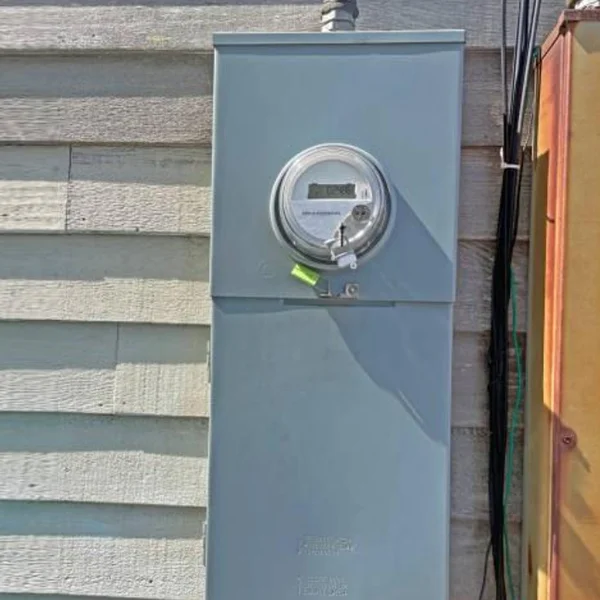
 A panel or main service upgrade is a significant investment, but budgeting for it doesn’t have to be stressful.
Step 1: Get 2–3 Detailed Quotes
Look for licensed electricians with great reviews and ask friends and family who they would recommend. A good quote will outline labor, permits, and inspection fees so there are no surprises.
Step 2: Understand What Affects Cost
- Amperage (100A, 200A, 400A)
- Permit and inspection fees
- Rewiring or code updates
- Equipment brands and warranties
Step 3: Plan for Contingencies
Set aside 10–20% of your budget for surprises like hidden damage or outdated wiring. Many older homes reveal additional issues once work begins—rusted conduit, undersized service cable, or non-grounded circuits that must be corrected.
Step 4: Explore Financing Options
- Home Improvement Loans – Unsecured loans from banks or credit unions, typically $2,000–$50,000 with fixed payments.
- HELOC (Home Equity Line of Credit) – Uses home equity for lower interest rates and flexible access to funds.
- Personal Loans – Fast approval, no home equity required, but often slightly higher interest rates.
- Utility or State Programs – Some areas offer grants or low-interest assistance for essential power access.
See our Financing Blog for more details on each option and how to choose what fits best for your project.
Step 5: Prioritize Safety & Longevity
Choose durable parts and licensed pros even if they cost a bit more. Electrical safety isn’t the place to cut corners.
Bonus: Ask About Energy Efficiency Opportunities
When upgrading your panel, ask your electrician about adding surge protection or energy monitoring. Smart panels from brands like Leviton or Span can track energy use in real time, helping you manage consumption and even prepare for solar integration down the road.
Why Proper Budgeting Matters
Electrical projects rarely go exactly as planned. Soil conditions, outdated infrastructure, or permit delays can all impact your timeline and cost. By planning for flexibility and understanding each line item, you’ll feel more in control—and avoid sticker shock.
Budgeting ahead also lets you time your project smartly. For example, scheduling work in late fall or winter (when demand slows) can sometimes mean faster scheduling.
Planning a Panel Upgrade? Let’s Talk Budget.
Upgrading your home’s main electrical service doesn’t have to be overwhelming—or break the bank. At Floener Electric, we help homeowners across Northeast Washington plan smart, cost-effective upgrades with clear pricing and professional guidance.
Contact us today for a free estimate and get expert help budgeting your electrical service upgrade the right way.